
Saudi Arabia’s World Cup Campaign Ends Early
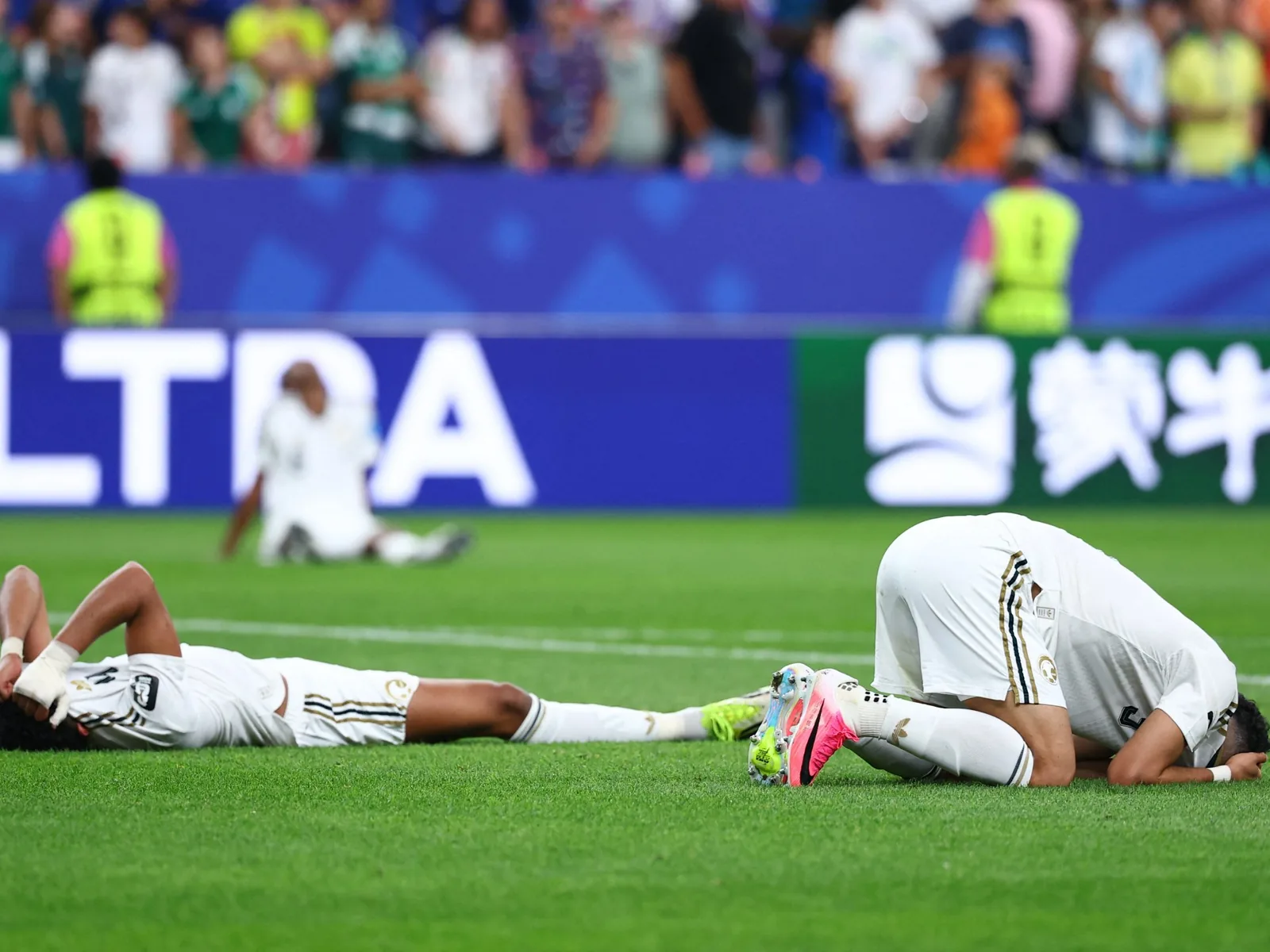
Yasser Al-Misehal, the president of the Saudi Arabian Football Federation, announced his resignation following the national team’s early exit from the World Cup. The team, known as the Green Falcons, finished at the bottom of Group H. This outcome led Al-Misehal to take full responsibility for the team’s performance, stating that his departure would allow for a new phase of leadership within Saudi football.
The Green Falcons secured two points in Group H, drawing 1-1 with Uruguay and 0-0 with Cape Verde. Their campaign also included a 4-0 defeat against Spain. This marks the sixth consecutive time Saudi Arabia has failed to advance beyond the group stage in the World Cup, a stage they last progressed from in 1994.
Al-Misehal, who had led the federation for seven years, played a significant role in Saudi Arabia’s successful bid to host the World Cup in 2034. This hosting opportunity is a key part of the nation’s broader strategy to diversify its economy, which is currently heavily reliant on oil.
Gulf Nations Struggle on the Global Stage
The early exits of Saudi Arabia and Qatar from the World Cup highlight a broader challenge for Gulf nations, despite substantial investments in football. Both countries, along with Iran and Iraq, were eliminated after the group stage. This contrasts with the performance of African teams in the tournament, with nine out of ten advancing to the round of 32.
Saudi Arabia’s coach, Georgios Donis, expressed concern over the team’s performance, particularly after a goalless draw against Cape Verde, a team he considered to be of a similar level. He noted that while signing star players like Cristiano Ronaldo, Neymar, and Karim Benzema has elevated the profile of the Saudi Pro League, the national team requires a different mentality for international competitions.
Qatar, the host of the previous World Cup, also faced an early departure after three games. Despite making history by securing their first point in a World Cup with a late equalizer against Switzerland, their coach, Julen Lopetegui, acknowledged the disappointment of another early exit. Qatar had previously been eliminated after just two games in their home tournament in 2022.
Lopetegui’s appointment, as a former coach of Spain and Real Madrid, demonstrates Qatar’s investment in boosting its performance on the global stage. Unlike Saudi Arabia, Qatar has focused on developing homegrown talent, which has led to back-to-back Asian Cup victories. However, these regional successes have not yet translated into strong performances at the World Cup.
Focus on Future Development
For Saudi Arabia, the focus is now on the future, particularly with the 2034 World Cup on the horizon. The nation has been actively working to increase its influence in global sports, including acquiring Premier League club Newcastle, launching LIV Golf, and hosting major boxing matches and Formula 1 events.
The goal is for the national team to make a significant statement at their home tournament. While the recruitment of international superstars has raised the profile of the domestic league, the hope is that this will also improve the standards of local players. Recent reports indicate a shift towards developing homegrown talent, with a slowdown in new star signings and some prominent players, including Neymar, having departed.
Investment in youth development has reportedly doubled over the past three years, and Matt Crocker, formerly U.S. Soccer’s sporting director, has been brought in to lead talent development in Saudi Arabia. This strategic shift aims to build a stronger foundation for the national team’s future success.
Prior to Al-Misehal’s resignation, a series of poor results in friendly warm-up matches in March had already led to the departure of French coach Herve Renard, who was in his second spell with the team after replacing Italian Roberto Mancini. The Saudi Arabian Football Federation has invested nearly two billion dollars in football over the past three years.
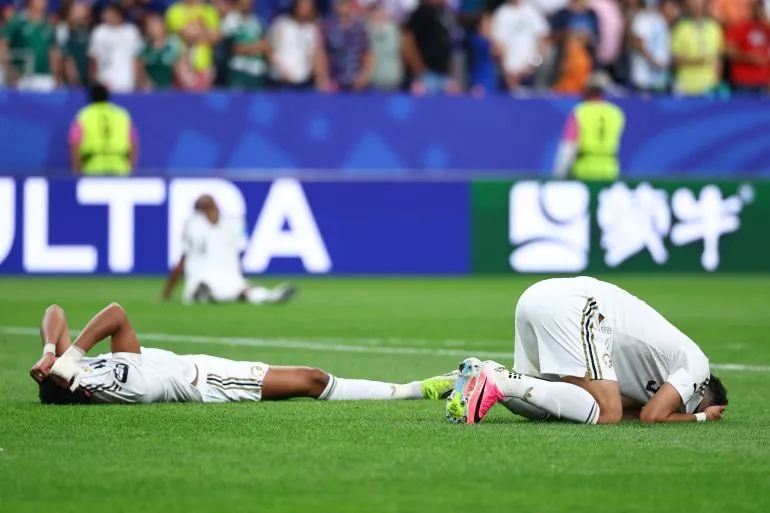
Iran, another Gulf nation, has participated in World Cups since 1978 and has never progressed beyond the group stage in its seven appearances. Similarly, Iraq has not advanced past the group stage in its two World Cup appearances, which were 40 years apart. As the World Cup expands to include 48 teams, offering more opportunities for nations like Cape Verde and Congo to make history, Gulf nations continue to strive for their breakthrough moment.
Read Also
Source: apnews.com

Arjun Sharma
Sports Reporter