
The World Cup 2026 final will feature a clash between holders Argentina and Spain, pitting the South American champions against the European champions. The highly anticipated match is scheduled to take place in New Jersey’s MetLife Stadium on Sunday, with both teams vying for the prestigious trophy.
Argentina has demonstrated significant attacking prowess throughout the tournament, scoring 19 goals, the highest tally among all participating teams. This offensive strength is largely attributed to their clinical finishing. They have consistently scored at least two goals in each of their last 13 World Cup matches since an initial loss four years ago. The team has also shown danger from outside the box, scoring five times from distance, whereas Spain has yet to score from outside the penalty area.
Despite taking more shots, Spain has scored six fewer goals than Argentina, indicating average finishing. However, Spain has also conceded six fewer goals than Argentina, letting in only one goal so far in their 2-1 quarter-final victory against Belgium. Their defensive record is notable, with the lowest defensive xG overall at 2.1, even after playing more games than many other teams.
Tactical approaches and defensive strength
Spain‘s defensive solidity is a key aspect of their performance. They have made it difficult for opposition attackers, as evidenced by a map of shots faced, which shows no high-quality chances conceded. This strong defence is supported by their work rate; while Argentina has covered more ground overall due to extra time in two matches, Spain has run and sprinted more per 90 minutes. Only Marcelo Bielsa‘s Uruguay has won possession in the final third more frequently.
Argentina, despite being outrun by all their opponents in the tournament, has emerged victorious in each instance. Their less intense approach, combined with resting players in their final group stage match against Jordan, suggests they should not face a significant fitness disadvantage in the final, despite playing an hour more football than Spain due to extra time periods.
Both teams have generally dominated possession in their matches. However, neither side relies solely on ball control to win, as Spain had 51% possession in their semi-final win against France and Argentina had 48% in their 3-0 group stage victory over Algeria.
Key player contributions and evolving strategies
While Spain has frequently delivered crosses, Argentina has increased their crossing activity as the tournament progressed. After only 13 open-play crosses in their first four games, Argentina attempted 51 in their last three matches, with Lautaro Martinez scoring a winner from a cross against England.
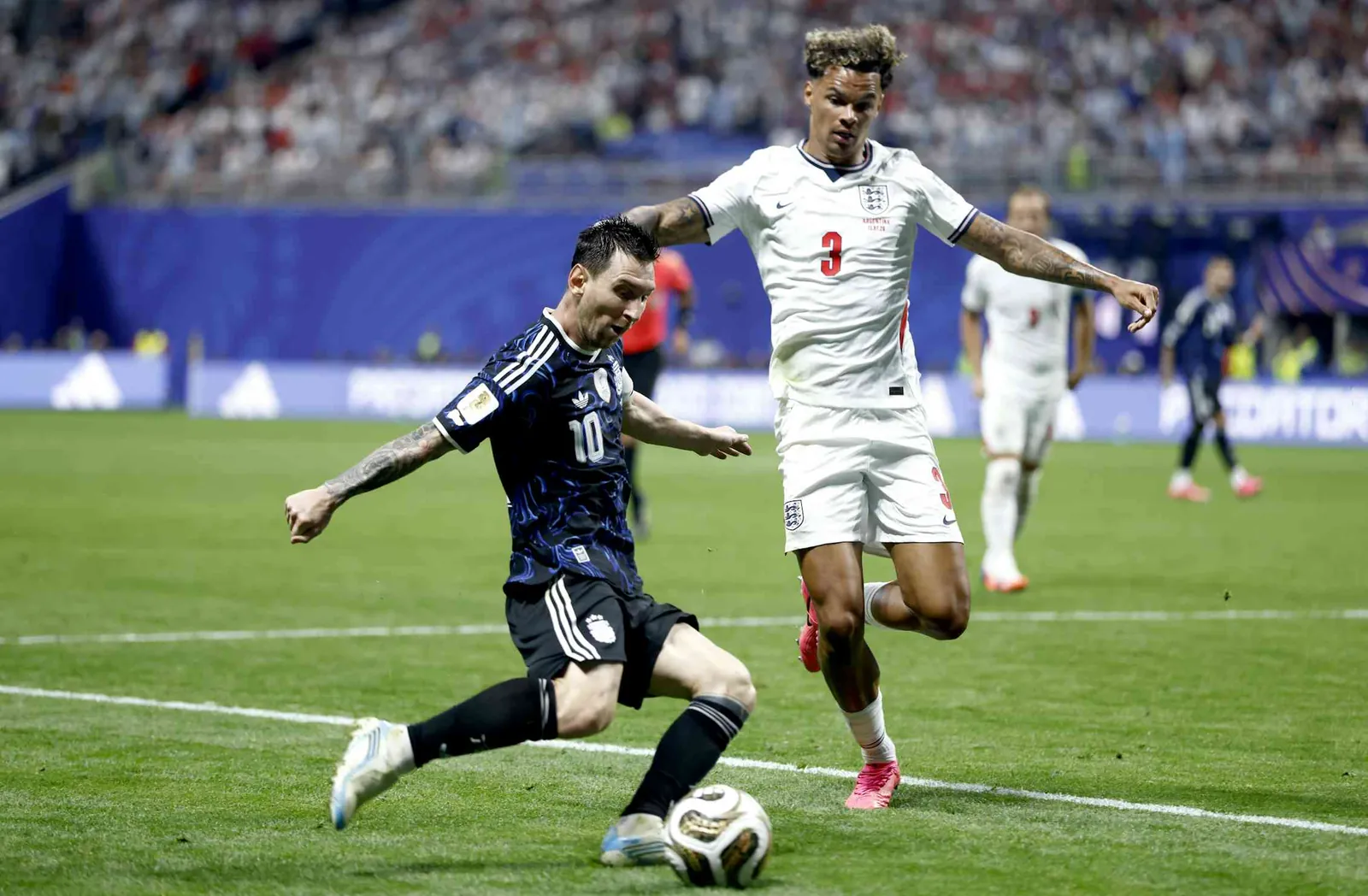
Spain holds the best aerial duel success rate in the tournament, suggesting an advantage in aerial contests. However, the overall duel success rates for both finalists are very similar, indicating Argentina has been slightly more dominant in ground duels. Neither team has been prolific in dribbling, with 25 teams attempting more dribbles per 90 minutes than Spain, and Argentina attempting even fewer. Despite this, two players stand out: Lamine Yamal for Spain and Lionel Messi for Argentina.
These two star forwards account for 90 of the 209 dribbles attempted by both teams combined. Lamine Yamal has attempted the most dribbles in the tournament, and only he and Brazil‘s Vinicius Jr have run at opponents with the ball more often than Lionel Messi. The strategic use of geometry in football, particularly triangular passing patterns, was evident in Spain‘s 2-0 semi-final win over France, where they effectively controlled space and forced defensive choices.
This tactical approach allowed Spain to create passing options and exploit defensive vulnerabilities, as seen in Pedro Porro‘s 58th-minute goal where his movement created a new angle for a return pass after exchanging passes with Dani Olmo. The ability to quickly reconfigure these passing networks proved challenging for France, who struggled with communication in their pressing efforts. Argentina will likely be studying these tactics closely ahead of Sunday’s final.
Read Also
Source: bbc.com

Arjun Sharma
Sports Reporter