
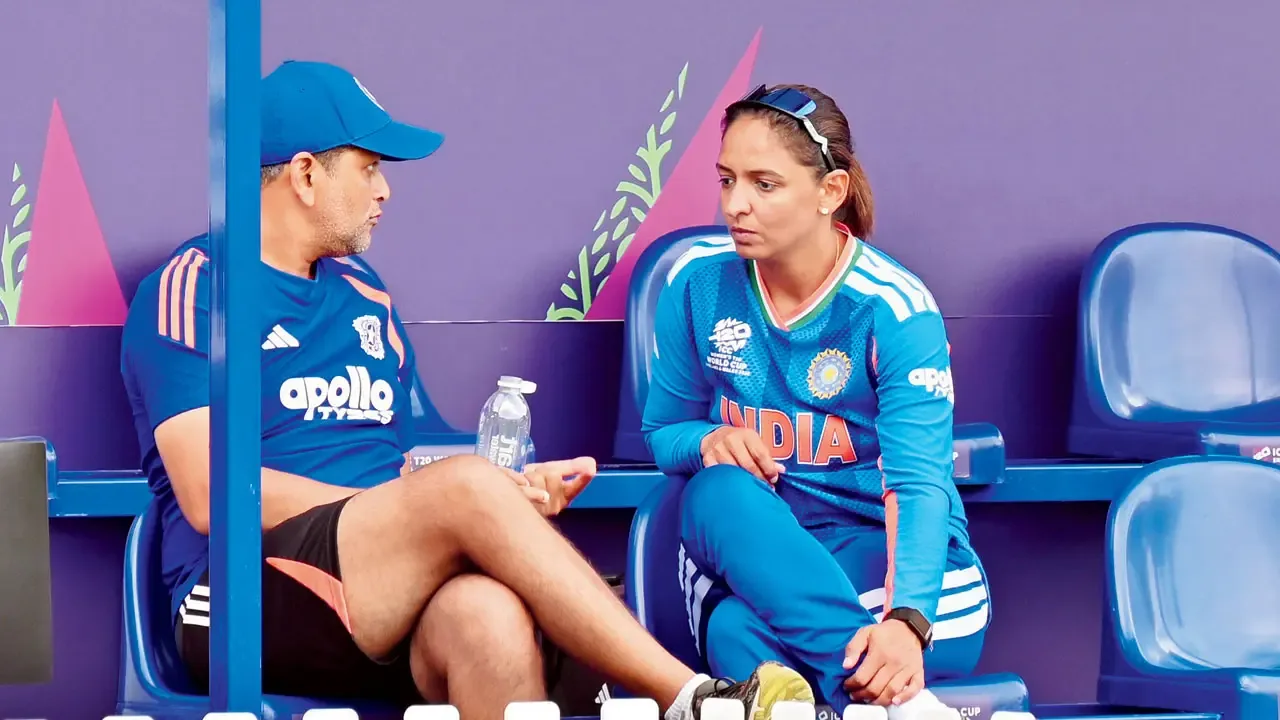
Calls for leadership change in T20 cricket
Following the India women’s team’s exit from the T20 World Cup 2026, former India captain Diana Edulji has advocated for a change in leadership for the T20 format. Edulji believes it is time to move beyond Harmanpreet Kaur as captain in T20 cricket, suggesting a focus on developing specialist players and separate teams for different formats. She highlighted that playing in all formats can be taxing for players, potentially affecting their fitness and fielding.
Edulji, who was part of the Committee of Administrators for the BCCI, emphasized the need for a strategic shift. She proposed having two distinct women’s teams with separate captains for One Day Internationals (ODIs) and T20Is. This approach, she argued, would allow for fresh ideas and better strategies to advance Indian women’s cricket.
The calls for change come after India’s early exit from the T20 World Cup, where they failed to progress beyond the knockout stage. India lost to Australia by six wickets in their final league game and also suffered a defeat against South Africa by the same margin. While the team secured wins against Pakistan, Bangladesh, and the Netherlands, the losses to stronger opponents impacted their tournament run.
Harmanpreet Kaur has led India to consecutive early exits in T20 World Cups. Despite this, selectors have retained her as captain for the Asian Games in Japan scheduled for September. However, Edulji’s comments suggest a growing sentiment for a new direction in the T20 format.
Performance and strategic recommendations
Edulji pointed out that while Harmanpreet is a talented player, her captaincy in T20s might have stagnated. She suggested that the pressure of captaincy could be affecting Harmanpreet’s natural, aggressive playing style. Edulji believes that Harmanpreet, when playing freely, is an unstoppable force, but the captaincy role might be leading her to prioritize safety over her attacking game.
In the T20 World Cup 2026, Harmanpreet scored 141 runs in five matches at an average of 35.25 and a strike rate of 131.77, including one fifty. Her scores included 36 runs off 35 balls against Pakistan, 12 runs off nine balls against the Netherlands, 24 runs off 22 balls against South Africa, and 13 not out off 14 balls against Bangladesh. She delivered a notable performance of 56 not out off 27 balls against Australia.
Edulji also highlighted the importance of identifying and training specialist players for T20 cricket, mentioning players like Bharti Fulmali and Richa Ghosh. She suggested that these players could be trained at the BCCI’s Centre of Excellence specifically for the T20 format. This approach, she noted, is common in men’s cricket and could be beneficial for the women’s game.
Beyond captaincy, Edulji offered broader recommendations for improving Indian women’s cricket. She stressed the need to find quality pacers to fill the void left by legendary fast bowlers. She also advocated for top Indian women’s cricketers to participate in domestic tournaments, similar to the mandate for men’s cricketers, even if it means skipping lucrative overseas T20 leagues. This, she believes, would help nurture young talent by allowing them to play alongside experienced players.
Furthermore, Edulji suggested improvements to the Women’s Premier League (WPL), specifically recommending an increase in boundary sizes to match international women’s cricket standards. She argued that easier boundaries in the WPL might hinder players’ ability to clear the field in international matches. She also called for dedicated camps for fielding, catching, bowling, and batting, and even a specialized wicketkeepers’ camp, citing concerns about the fitness of current wicketkeepers.
India’s head coach, Amol Muzumdar, when asked about Harmanpreet’s future as captain after the loss to Australia, stated that the decision rests with the selectors, but expressed his desire for her to continue in the role. Edulji, however, believes that the time for bold decisions has arrived, drawing a parallel to the selection of MS Dhoni as captain for the inaugural T20 World Cup in 2007, which yielded positive results for the men’s team.
Edulji’s perspective also touched upon the age factor and future planning, drawing comparisons to men’s cricket players like Rohit Sharma and Virat Kohli. She noted that while there is a lack of depth in Indian women’s cricket compared to the men’s game, planning for the future is crucial, especially considering Harmanpreet’s age as the 2029 Women’s ODI World Cup approaches. She felt Harmanpreet deserves one more chance to captain in the ODI format as the leader of the defending champions.
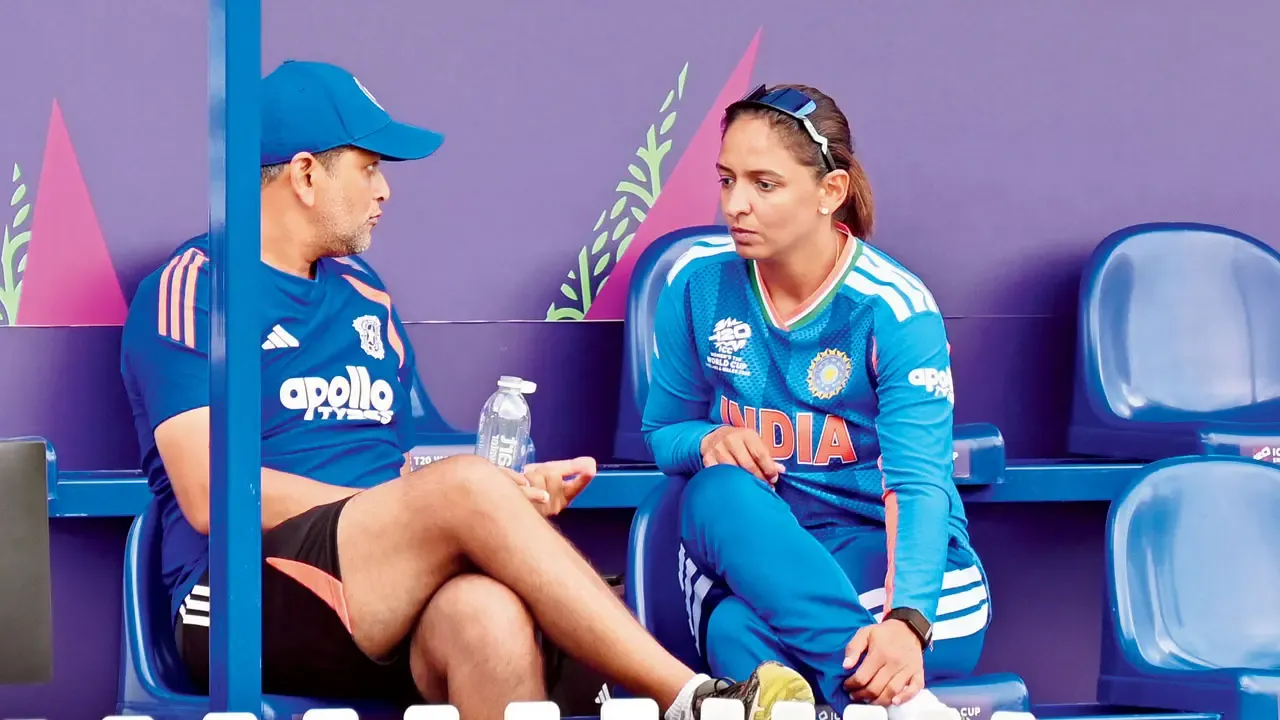
The former India left-arm spinner also highlighted that the loss to South Africa, rather than the defeat to Australia, was particularly impactful for India’s early exit from the tournament.
Looking ahead for Indian women’s cricket
Edulji’s comments underscore a broader desire for systemic improvements within Indian women’s cricket. Her emphasis on segregating players by format and fostering specialist skills reflects a strategic vision aimed at enhancing performance in specific formats. She believes that the current approach, where many players participate in all formats, is not yielding optimal results and that a more focused strategy is needed.
The discussion around Harmanpreet’s captaincy and the need for new ideas comes at a critical juncture for Indian women’s cricket. The team’s qualification for the 2028 Los Angeles Olympics provides a significant long-term goal. Harmanpreet herself has expressed interest in playing in these Olympics. However, Edulji’s assessment suggests that consistency is key for the veteran batter, especially in the T20 format.
Edulji’s candid assessment also touched upon the team’s fielding, which she criticized, noting that the team dropped 11 costly catches during the tournament. This aspect, along with the need for a stronger second string of players to ensure genuine competition for places, forms part of her comprehensive recommendations for arresting any potential slide in performance.
The debate over leadership and strategy highlights the ongoing efforts to elevate Indian women’s cricket to a higher level on the international stage. The decisions made by the selectors regarding captaincy and team composition in the coming months will be crucial in shaping the future trajectory of the team.
The former India captain believes that taking bold steps now is essential to ensure the team can bounce back from recent setbacks and achieve greater success in future tournaments.
Read Also
Source: timesofindia.indiatimes.com

Arjun Sharma
Sports Reporter