
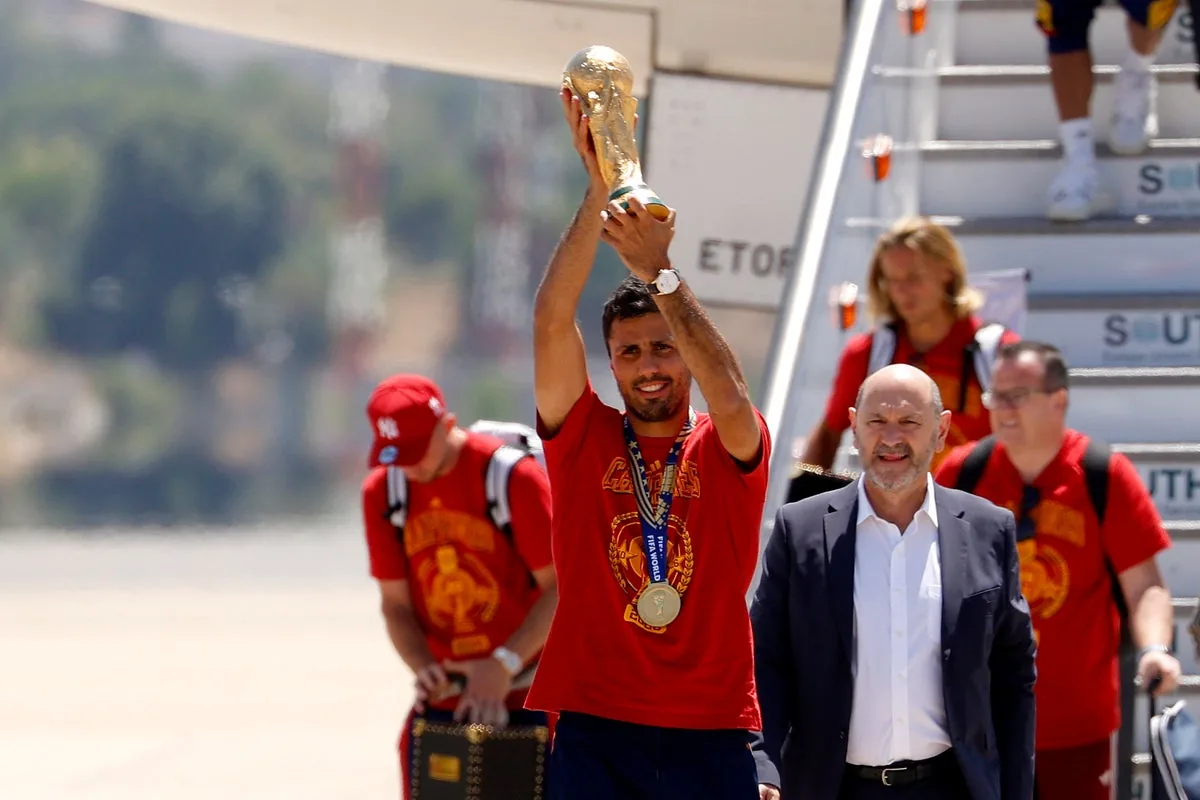
Spain’s World Cup champions have returned to Madrid, preparing for a celebratory trophy parade through the capital’s streets. This comes as Argentina faces scrutiny following their defeat in New Jersey, marked by post-match incidents. Spain’s victory, secured by Ferran Torres’ goal, marks their second men’s World Cup triumph.
The final match itself was described as a peculiar spectacle for the initial 90 minutes. However, Spain ultimately broke the deadlock when Torres scored early in the second half of extra time. This result meant that Lionel Messi, at 39 years old, was denied in what was likely his final World Cup appearance, with the aftermath further impacting the occasion for the football icon.
Following the trophy presentation, Donald Trump was observed near Spain’s trophy lift, aiming to be included in photographs despite efforts by Gianni Infantino to guide him away. FIFA is expected to investigate the post-match events to determine if additional disciplinary actions are warranted.
The Spanish team’s open-top bus parade is scheduled to commence at 7 pm local time (6 pm BST). Their plane was expected to land at Adolfo Suárez Madrid–Barajas Airport around 2:30 pm on Monday. Before the parade, the players, coaching staff, and federation officials will have a period of rest and a meal at a secure location.
Crowds had already gathered in Madrid’s Puerta de Sol and other significant squares, celebrating into the early hours of Monday. Supporters are reportedly securing their positions in Cibeles Square for the parade, braving the sun.
World Cup viewership and legacy
The World Cup final, which saw Spain defeat Argentina, drew a peak audience of 15.8 million on BBC One and BBC iPlayer. The BBC captured a 64% share of all television viewing for the match, with an average of 13.9 million viewers watching Ferran Torres’ extra-time goal seal Spain’s second World Cup win.
The final was streamed 11.1 million times on BBC iPlayer and the BBC Sport website and app, including 2.4 million UHD streams on iPlayer. The BBC Sport live text coverage on its website and app garnered over 18.8 million views, with 14.2 million of those from the UK, providing fans with updates and analysis.
The third-place play-off between England and France, held on Saturday, attracted a peak audience of 11.8 million on BBC One and iPlayer, with an average of 10.8 million viewers. Across the entire World Cup, the BBC achieved an overall reach of 42.8 million across TV viewing platforms.
Audiences streamed World Cup matches 237 million times on BBC iPlayer and the BBC Sport website and app, which is more than double the figures from the 2022 World Cup. World Cup content constituted 33% of all content streamed on BBC iPlayer during the competition.
The BBC Sport website and app recorded 57.2 million unique visitors, with fans viewing BBC Sport content 1.7 billion times. Match highlights from the World Cup were streamed 67.3 million times, and the new BBC Football YouTube channel generated 100 million views across various content. On social media, clips, interviews, analysis, press conferences, and fan moments amassed 2.55 billion video views, with a particular interview featuring Egypt winger Mostafa Zico after Egypt’s elimination by Argentina achieving 77 million views on TikTok alone.
Spain’s tactics under Luis de la Fuente have shown an evolution, maintaining their mastery of tiki-taka football. The team’s success has led to discussions about what other nations, including England, can learn from their approach to football.
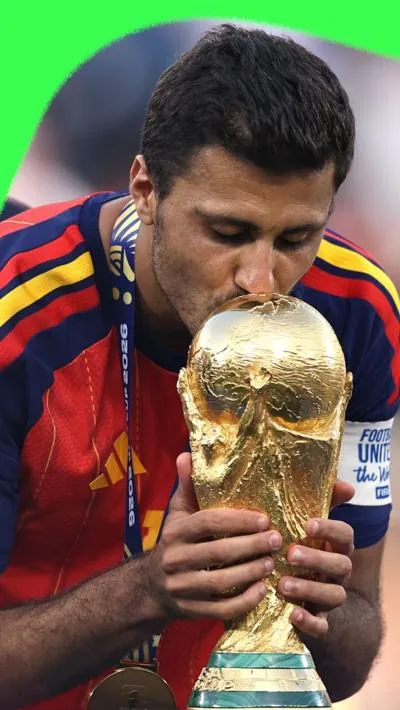
The World Cup has been described as a tournament of contradictions, with events both on and off the field contributing to a dramatic, yet for some, a forgettable event. After two months in North America, the tournament concludes with Spain celebrating their victory.
Read Also
Source: independent.co.uk

Arjun Sharma
Sports Reporter