

Aston Villa has reached an agreement with Chelsea to sign Alejandro Garnacho on a loan deal that includes a conditional obligation to buy. This arrangement follows Chelsea’s acquisition of Morgan Rogers from Aston Villa for a reported £117m, a British record transfer fee.
Garnacho, an Argentina international winger, joined Chelsea last summer from Manchester United for £40m. He did not participate in pre-season training with Chelsea, reportedly to facilitate a move away from the club. The conditional obligation to buy in the deal is considered easily achievable.
Financial strategies of Chelsea and Aston Villa
Chelsea’s financial strategy has been under scrutiny due to UEFA’s financial regulations. The club was fined £2.6m for breaching these rules, with £1.7m of this fine potentially reducible if they manage to decrease expenditure or increase revenue by next summer. The club’s financial standing has reportedly improved since last summer, when they faced a £26.7m fine and a four-year settlement agreement with UEFA.
Last season, Chelsea generated approximately £300m from player sales, a Premier League record, and anticipate a similar figure this season. They have already raised over £120m through player sales and spent between £164m and £210m on new signings, including Rogers and Marco Palestra, since Xabi Alonso became manager. The club views the accumulation of players as an investment that can be leveraged when needed, with their squad value estimated at £1.3bn.
Despite these efforts, Chelsea’s most recent accounts for 2024-25 showed a Premier League record loss of £262m within the club’s companies, and losses of £701m at the parent-company level, contributing to liabilities exceeding £1bn. However, sources close to the ownership group suggest their investment model, which uses third-party loan providers, is structured for long-term sustainability and is common among elite sports organizations. They project a significant increase in revenue to a club record £700m in their next set of accounts.
Regarding the Premier League’s SCR rules, clubs can spend up to 115% of their revenue on player costs without incurring points deductions, though additional costs might incur a tax. Chelsea is reportedly looking to sell more players to comply with these regulations.
Squad management and transfer market activity
After signing Rogers, Chelsea continues to be active in the transfer market. The club has explored various defensive options, including discussions for Crystal Palace centre-back Maxence Lacroix and showing interest in former Manchester City defender John Stones and Como’s Jacobo Ramon. They are also in talks with Rayo Vallecano for full-back Pep Chavarria, who is expected to cost between £25m and £40m.
With four pre-agreed signings since the start of 2025, and Dastan Satpaev expected to join from FC Kairat in August, Chelsea currently has 38 senior players. Further sales are anticipated, with players like Benoit Badiashile, Axel Disasi, Trevoh Chalobah, and Marc Guiu reportedly available for transfer. Mamadou Sarr is expected to go on loan to another Premier League club. A core group of players, including Moises Caicedo, Estevao Willian, Cole Palmer, Joao Pedro, and Levi Colwill, along with highly-rated young prospects like Josh Acheampong, are considered untouchable.
Chelsea’s failure to qualify for European competition means they will not participate in continental tournaments. Analysis of successful seasons without European football suggests that typically only 13 or 14 players exceed 1,500 minutes across all competitions.
Garnacho’s move to Aston Villa
The deal for Garnacho is structured as a loan with a conditional obligation to buy, which could be classified as a ‘swap deal’ by UEFA if completed within a 45-day period of Rogers’ transfer. If the transfers are linked, UEFA would treat them as a swap, impacting how both clubs book profits and comply with regulations. Kieran Maguire, a football finance expert, noted that UEFA is proactive in preventing convenient player swaps where clubs might book profits to comply with rules, while Premier League rules are more lenient.
Aston Villa benefits from the loan deal by gaining control over the player’s future without an immediate long-term commitment. This approach allows Villa to assess Garnacho, who reportedly struggled in his first season at Chelsea, making 25 appearances and averaging less than 49 minutes per game in the Premier League. His five goal involvements averaged one every 243 minutes, compared to Rogers’ average of one every 90 minutes and Emiliano Buendia’s every 190 minutes.
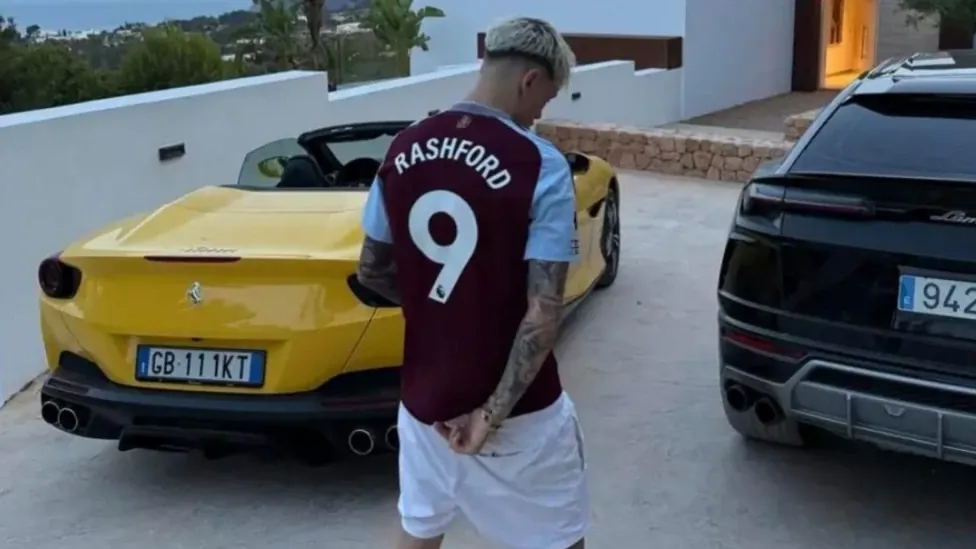
The loan market is important for Aston Villa, and they have previously used similar deals successfully, including signing Marcus Rashford on loan from Manchester United before opting against a permanent transfer. If the obligation to buy Garnacho is tied to performance metrics, such as the number of matches he starts, Aston Villa would retain control over the permanent deal. The total package for Garnacho, including the loan fee, is understood to meet Chelsea’s valuation, which was reportedly £42.6m.
Garnacho’s playing style, which involves hugging the touchline and staying wide, might require tactical adjustments from Unai Emery’s system at Aston Villa. This contrasts with the versatility of players like Buendia and Rogers, who can play on either flank and move inside. Garnacho previously scored a goal in the FA Cup final win for Manchester United while operating from the right flank.
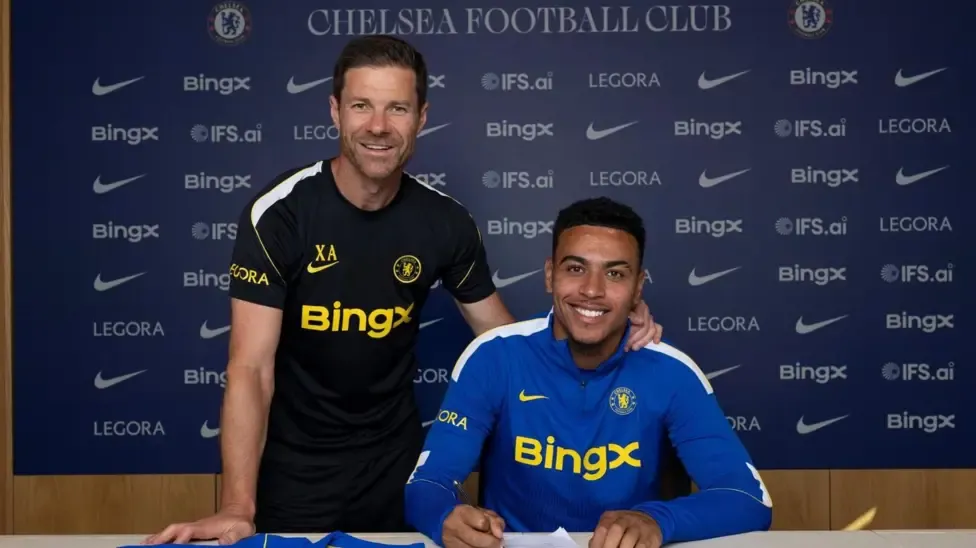
The £117m move for Rogers is expected to provide Aston Villa with a significant accounting profit, potentially between £80m and £90m after accounting for Middlesbrough’s sell-on clause, agents’ fees, and the remaining book value from his 2024 signing.
Read Also
Source: bbc.com

Arjun Sharma
Sports Reporter