
Football’s Growing Dominance
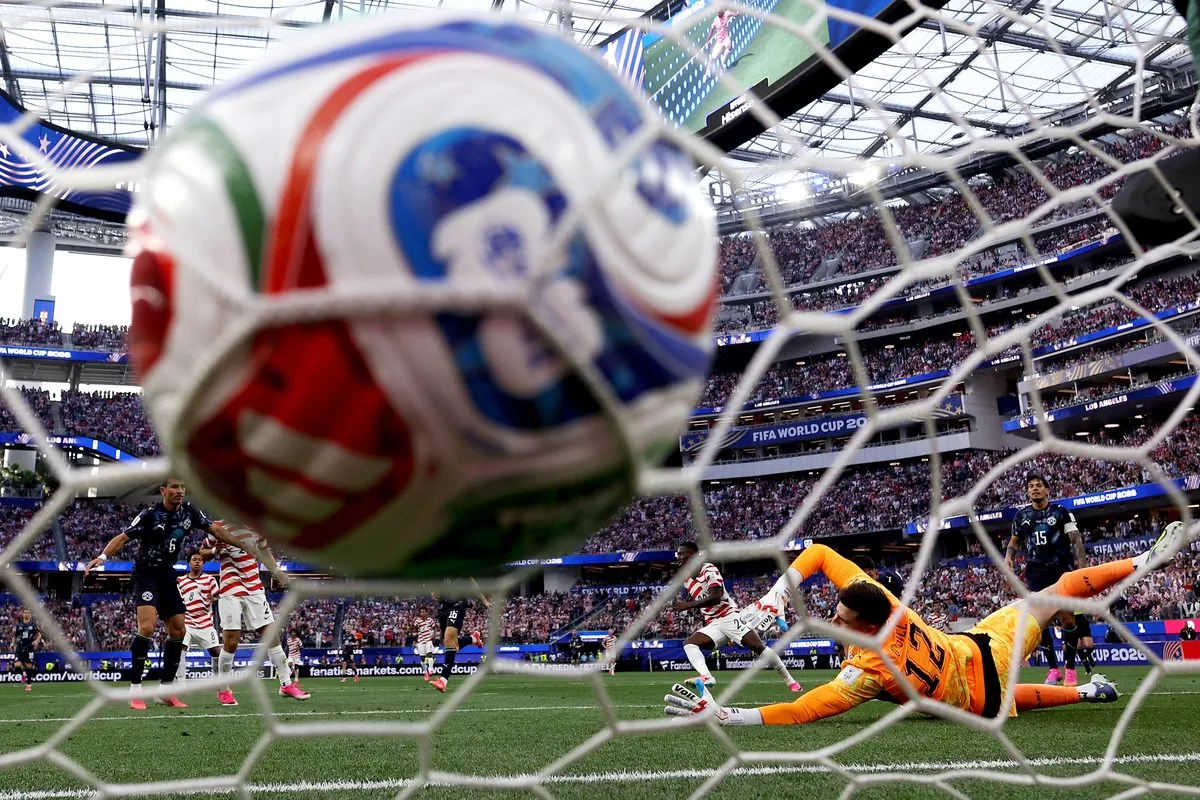
The FIFA World Cup has become a massive event, often overshadowing other sports during its run. This sentiment is particularly noted during periods like the current tournament, which is nearing its halfway point with many matches still to be played.
The scale of the World Cup has expanded significantly over the years. For instance, the 1976 Uefa European Championship involved only four teams and concluded within five days. In contrast, the 2026 FIFA World Cup features a much larger schedule, with 52 out of 103 matches already completed, and the more critical stages, such as the Round of 32, yet to begin.
The tournament’s widespread appeal makes it challenging for fans to avoid updates, highlight clips, and written reports, especially for those deeply invested in football.
Challenges for Other Sports
While football captures significant attention, other sports struggle for media coverage. Even major events or controversies in other sports find it difficult to gain widespread notice. For example, Ben Stokes’s one-match absence from the England Test team and the heckling of Wyndham Clark at the US Open were notable exceptions that managed to cut through the noise.
However, many other sporting events, such as the UK Athletics Championships in Birmingham or the ICC Women’s T20 World Cup, receive less media oxygen. This situation highlights a growing challenge for sports outside of football and major events to raise awareness among new audiences without strong digital media marketing strategies.
The upcoming Wimbledon Championships, starting on Monday, might benefit from the time difference between the US and London, potentially allowing evening sessions to feature a wider range of matches. The return of Serena Williams to the sport is also seen as a significant marketing advantage for the organisers, despite the concurrent World Cup.
A recent case involving Marketa Vondrousova, who received a four-year ban for refusing an out-of-competition doping test, also brought attention to tennis. Karen Moorhouse, CEO of the International Tennis Integrity Agency, stressed that unpredictable testing is crucial for protecting clean sport. This incident has led to comparisons with shorter bans given to other players for failed tests, suggesting potential appeals and further discussion.
Cricket’s Shifting Landscape
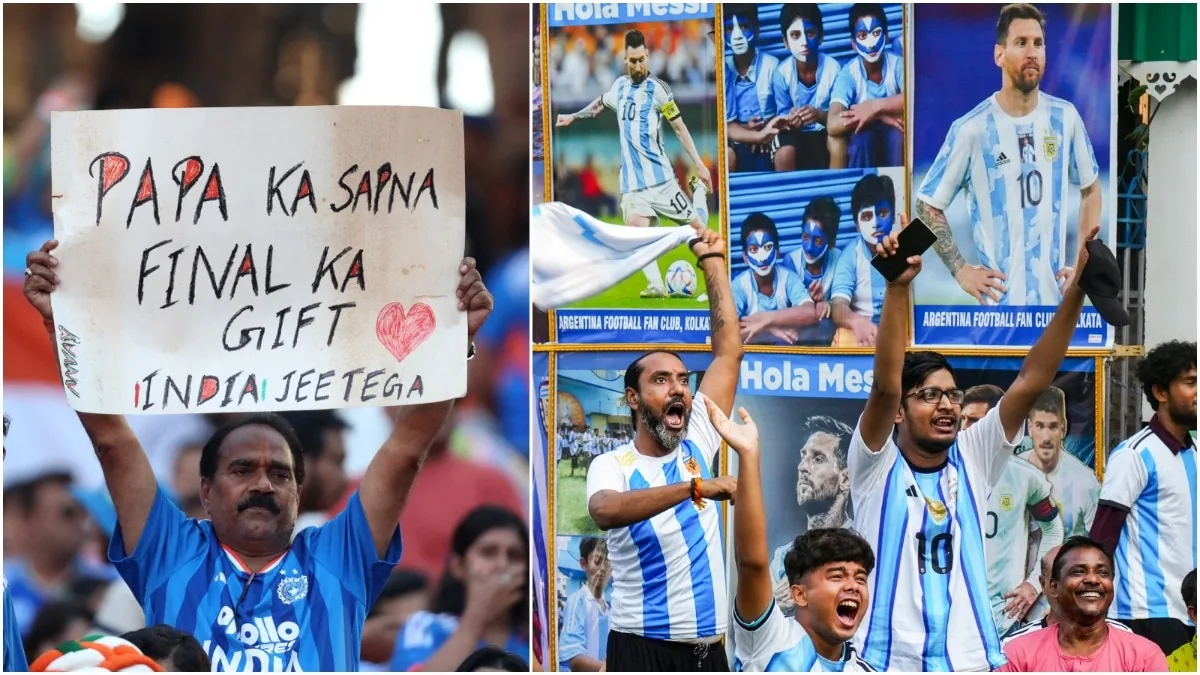
In contrast to football’s quadrennial World Cup, cricket has adopted a different model, with major international events occurring almost annually. This includes events like the Champions Trophy and the T20 World Cup, in addition to the World Test Championship and various women’s and age-group tournaments.
While this frequent scheduling has led to soaring revenues and record-breaking streaming numbers, some fans feel that the constant stream of events diminishes the anticipation and specialness once associated with major tournaments. The rarity of events like the FIFA World Cup in football contributes to a sustained hunger among fans, as they wait for years between tournaments.
Cricket fans, such as Palaniappan Subramanian from Chennai, note that having world cups and championships almost every year makes them less awaited. This sentiment is echoed by others, who feel the term ‘World Cup’ is being overused, potentially diluting the significance of being crowned the best in the world.
The shift in cricket’s calendar also reflects a move towards a model where franchise cricket, such as the IPL, SA20, and The Hundred, plays a more dominant role. Ravi Shastri, a former coach for India, suggested that international cricket should focus on major tournaments every two or four years, with franchise cricket filling the rest of the calendar. This approach, he argued, would help maintain the special nature of international events.
This evolution in cricket is increasingly seen as mirroring football’s club-versus-country structure. Traditional bilateral series are becoming harder to market, leading administrators to expand the inventory of ICC events, which guarantee audiences and sponsors. However, this expansion may come at the cost of the exclusivity that once made events like the World Cup unique.
The FIFA World Cup, European Championship, and Copa America maintain their four-year cycles, allowing for prolonged anticipation. This absence creates a longing that enhances the significance of these tournaments, leading to memorable moments that endure for fans, such as Lionel Messi lifting the trophy in Doha.
Read Also
Source: cityam.com

Arjun Sharma
Sports Reporter